Origin
Ruby and sapphire are corundum. Emerald is beryl. Origin is traded because some deposits repeat a recognisable look: the shape of zoning, the company of inclusions, the way colour moves from daylight to incandescence. That is an origin effect, not a passport. A stone may resemble a valley the laboratory still refuses to name.
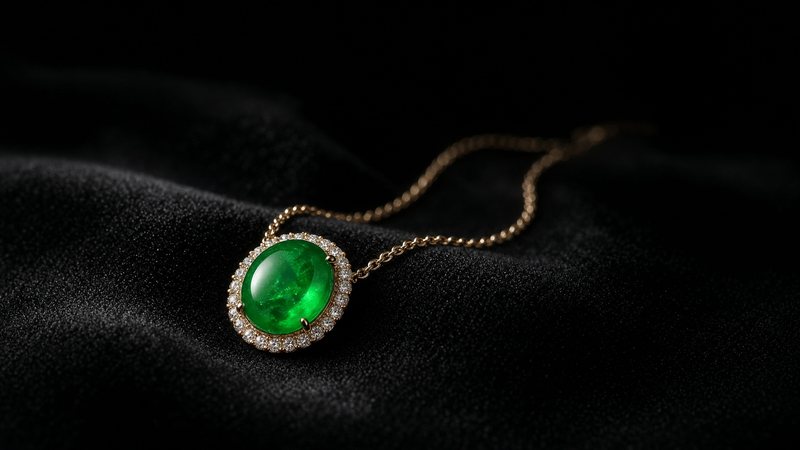
Chromium reddens ruby and joins the green of emerald. Iron, titanium and colour centres move sapphire through ink, grey, green and velvet blue. Zoning, if cut away, makes colour even and also thin. We ask whether the zone is still there. In emerald, a garden of inclusions can be identity or risk. Oil or resin must be stated apart from the colour.
Mozambique ruby can be clean and truly red. Burmese ruby can be finer and less even. The Kashmir narrative is expensive because of rarity and history, not because a house may hand the adjective out. On Yushanxue and Jiangque, origin stays with the report. We describe hue. We do not sign for the laboratory.
Trace elements can be read by methods such as LA-ICP-MS. In the salon the eye still meets colour, cut and an honest treatment line first. Origin is the last sentence of a report, not the first line of an advertisement.
An origin written wrongly is worse than an origin not written. A half-phrase such as Kashmir-like or Burmese red already crosses the line. Yushanxue and Jiangque stop at hue and treatment. If you want a place-name, read the laboratory’s line, not the advertisement.